2026-10-23 ·
What Stafford Sellers Should Know About Spray Foam Before Listing
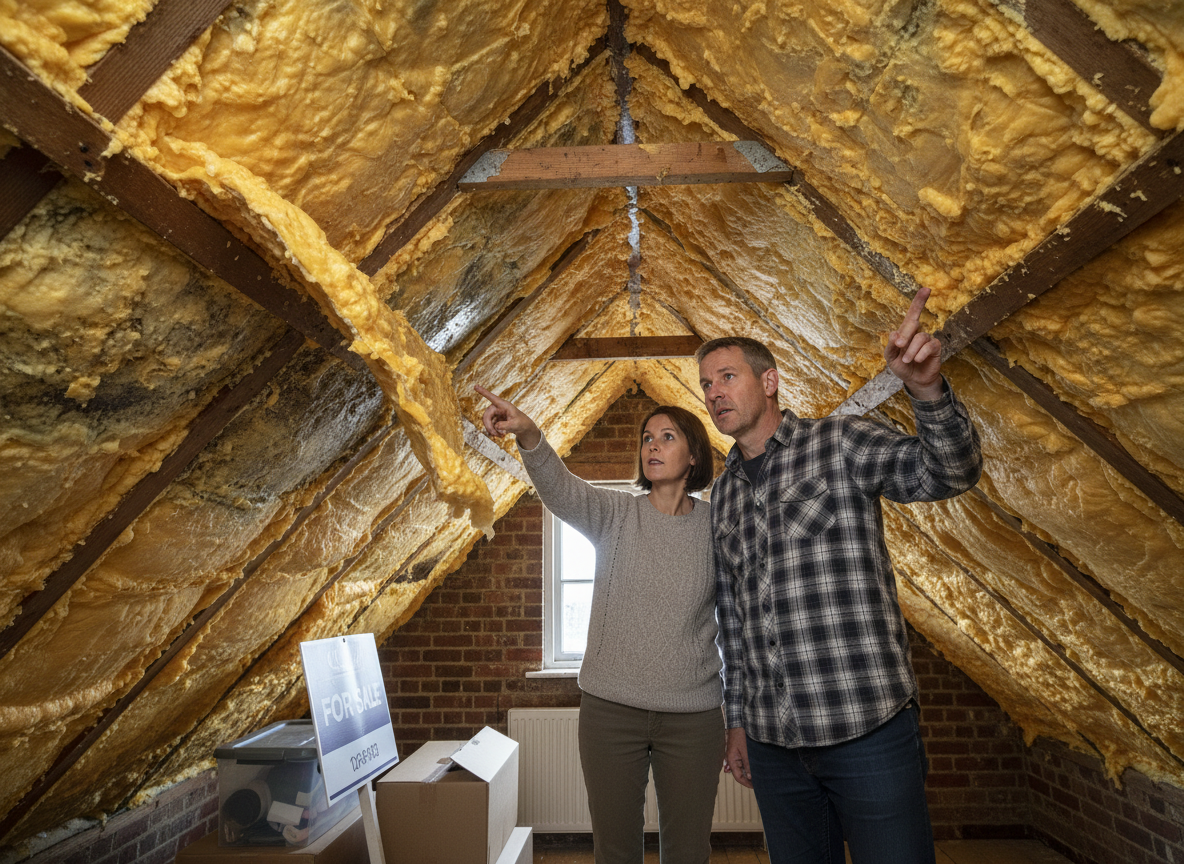
Stafford sellers facing spray foam insulation should arrange removal before listing because most high-street lenders now refuse to lend on affected properties until the material is fully extracted and the roof structure inspected. Properties in Stafford town centre and surrounding villages frequently carry open-cell or closed-cell foam installed in lofts during the 2000s energy grants, and surveyors flag these installations immediately. Removing the foam restores mortgageability and typically prevents last-minute price reductions of several thousand pounds during conveyancing.
Mortgage Lender Requirements in Staffordshire
Many Stafford sellers discover spray foam issues only after an offer is accepted when the buyer's surveyor notes the insulation. Lenders such as Halifax and Santander routinely demand proof that foam has been removed before releasing funds, especially on terraced and semi-detached homes built before 1970. Scheduling removal through a 24/7 service based at 2 Staffordshire Place, Tipping Street, Stafford, ST16 2DH allows sellers to obtain the necessary post-removal photos and structural notes in time for exchange. Acting early also avoids the chain delays common when Penkridge or Stone buyers are involved.
Typical Housing Stock and Loft Conditions
Stafford's older housing stock includes Victorian terraces along the River Sow and 1950s-1970s semis in the Rowley Park and Beaconside estates. These roofs often have limited ventilation and timber that has absorbed moisture trapped by closed-cell foam, leading to hidden rot that only appears once the foam is stripped. Sellers who inspect lofts before marketing can budget for timber treatment alongside removal rather than facing emergency works after an offer collapses. Local weather patterns of prolonged winter damp increase the chance that foam has adhered to rafters, requiring more careful extraction methods.
Recommended Steps Before Listing
Begin with a professional insulation assessment to identify foam type and any underlying damage. Next, obtain quotes that cover both removal and disposal, then schedule the work during drier months when roof access is straightforward. Finally, request documentation that satisfies mortgage underwriters, including confirmation that no residue remains on timbers. Linking removal to the sale timeline prevents the common scenario where buyers negotiate down after their survey flags the foam.
Cost and Timing Considerations for Sellers
Removal costs in the Stafford area vary according to loft size and access, but sellers should expect figures that fit within typical pre-sale budgets when planned ahead. Work usually takes one to three days on a standard three-bedroom property, allowing time for follow-up checks before the property goes live on Rightmove. Completing this work through a residential specialist avoids the rushed jobs that leave traces and trigger re-inspections later in the transaction.
Sellers who treat spray foam removal as a standard pre-listing task rather than a reactive fix maintain stronger negotiating positions. Properties in Stafford and nearby villages that reach the market with clear loft documentation attract faster offers and fewer lender queries. Planning removal now through established local operators keeps the sale process on schedule.